Iran Threatens to Target U.S. Tech Firms if War Continues to Escalate
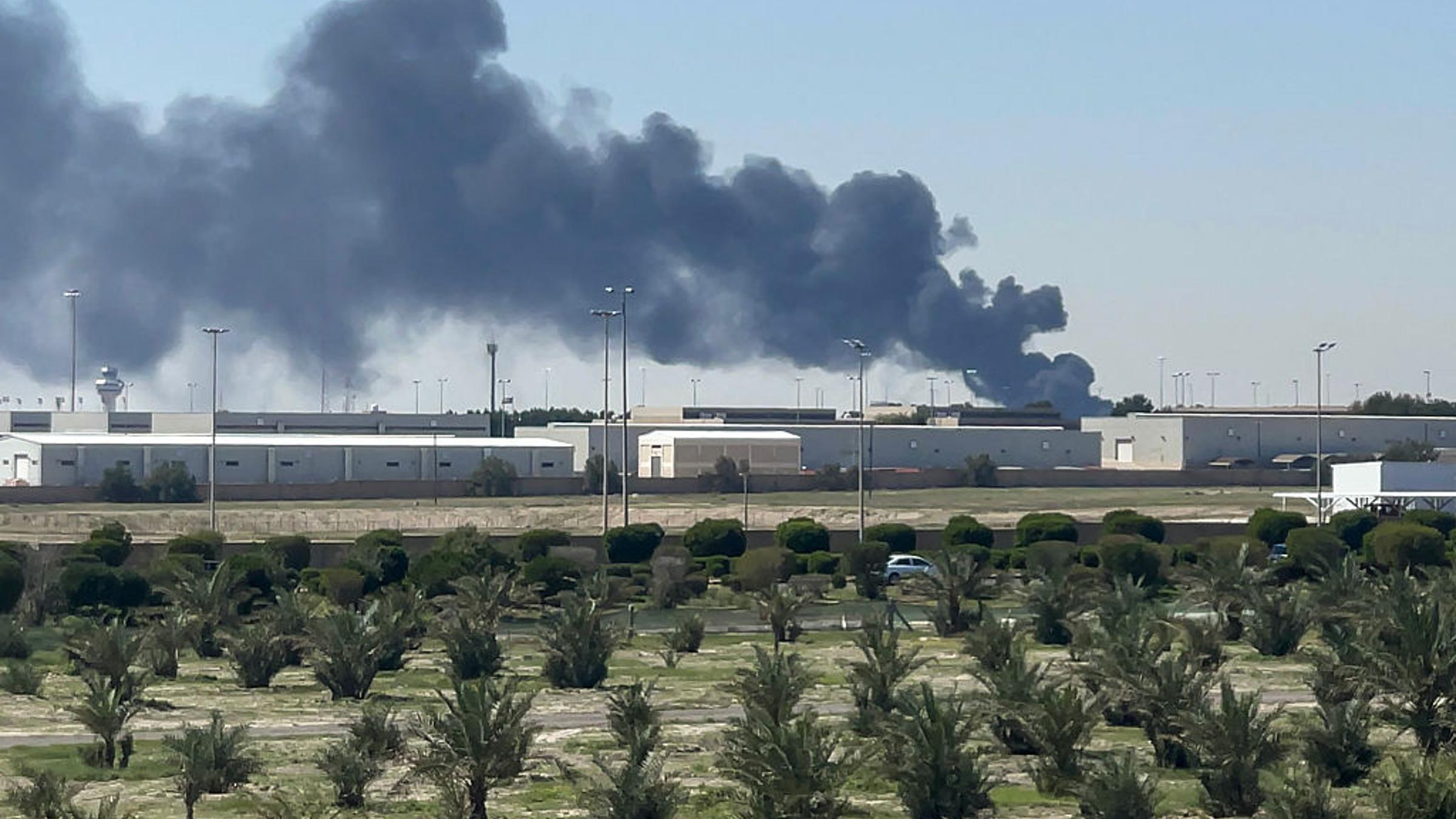
The **Islamic Revolutionary Guard Corps (IRGC)**, part of the Iranian Armed Forces, has released a list of 18 potential targets for retaliation, including **App
Summary
The **Islamic Revolutionary Guard Corps (IRGC)**, part of the Iranian Armed Forces, has released a list of 18 potential targets for retaliation, including **Apple**, **Google**, **Meta**, and **Microsoft**, if the U.S. continues to attack and kill Iranian leaders. The IRGC claims that these companies have enabled the assassinations of dozens of Iranian leaders since the U.S. and Israel launched a war against Iran on February 28. The companies on the list have operations in or commercial ties to **Israel**, although most have denied allegations that their technology is used by Israel for military applications. The IRGC's threat comes as **U.S. President Donald Trump** has issued mixed messages on the future of the conflict, suggesting that he would end the war in two to three weeks amid soaring oil and gas prices. For more information on the conflict, see [[iran-israel-conflict|Iran-Israel Conflict]] and [[us-foreign-policy|US Foreign Policy]]. The IRGC's statement was released by semi-official, IRGC-linked **Tasnim news agency**. The situation is being closely monitored by **international organizations**, including the **United Nations**. The impact of the conflict on the global economy is a major concern, with potential implications for **global trade** and **energy markets**.
Key Takeaways
- The IRGC has released a list of 18 potential targets for retaliation, including Apple, Google, and Meta
- The U.S. and Israel have killed several high-ranking Iranian leaders, including Supreme leader Ali Khamenei and Revolutionary Guards commander-in-chief Mohammad Pakpour
- The companies on the list have operations in or commercial ties to Israel
- The IRGC's threat is a serious escalation of the conflict
- The international community should work together to find a peaceful resolution to the conflict
Balanced Perspective
The IRGC's threat is a serious escalation of the conflict, and the fact that the U.S. and Israel have killed several high-ranking Iranian leaders has created a volatile situation. The companies on the list have denied allegations that their technology is used by Israel for military applications, but the IRGC's statement suggests that they believe these companies are complicit in the assassinations. The situation is complex, and it is difficult to predict how it will unfold. The conflict has significant implications for **regional stability** and **global security**. For more information on the conflict, see [[iran-israel-conflict|Iran-Israel Conflict]].
Optimistic View
The IRGC's threat may be a negotiating tactic to pressure the U.S. to end the war, and the fact that the U.S. is in talks with Iranian leaders aimed at ending the war is a positive sign. The involvement of **international organizations**, such as the **United Nations**, could help to facilitate a peaceful resolution to the conflict. The fact that the IRGC has warned employees of these firms to leave their workplaces immediately and residents to evacuate from a one-kilometer radius around these institutions suggests that the IRGC is trying to minimize civilian casualties. For more information on the role of international organizations, see [[united-nations|United Nations]].
Critical View
The IRGC's threat is a clear indication that the conflict is escalating, and the fact that the U.S. and Israel have launched a war against Iran has created a highly unstable situation. The companies on the list are likely to be targeted, and the IRGC's warning to employees and residents to evacuate the area suggests that they are preparing for a significant attack. The conflict has the potential to draw in other countries, including **Saudi Arabia** and **Turkey**, and could have significant implications for **global energy markets**. For more information on the potential implications, see [[global-energy-markets|Global Energy Markets]].
Source
Originally reported by Time Magazine